The Advantages of Artificial Grass Installation: A Minimal-Upkeep Landscaping Solution
Installing synthetic turf functions as a effective fix for modern landscaping needs. It delivers environmental benefits by preserving water and preventing the application of harmful chemicals. Plus, its strength and eye-catching finish reduce care efforts and expenditures. Since outdoor areas shift, the appeal of artificial grass continues to expand. However, understanding its total scope of advantages is essential for making a thoughtful choice. What specific benefits might surprise residents considering this choice?
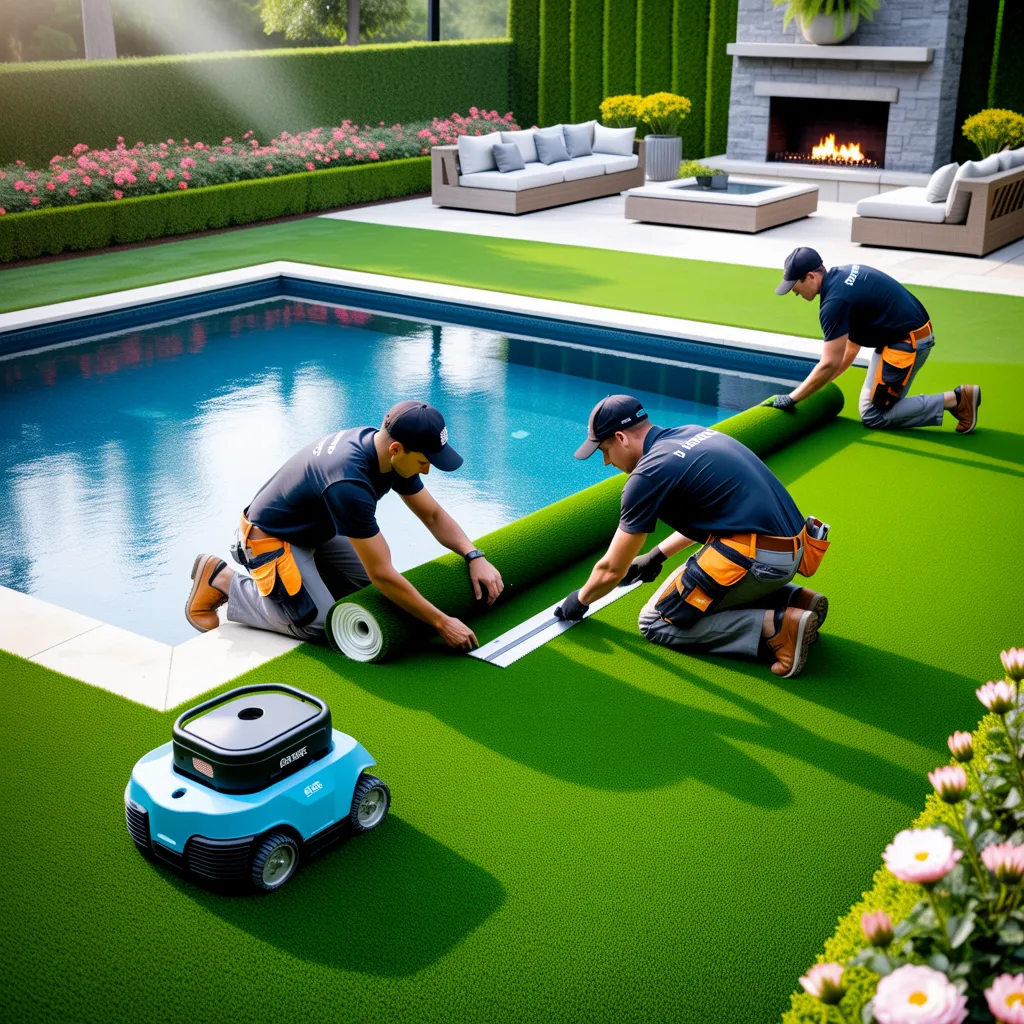
The Environmental Benefits of Fake Grass
While many homeowners seek aesthetically pleasing landscapes, the ecological benefits of artificial grass offer compelling reasons for its installation. Artificial grass substantially reduces water utilization, an important factor in regions prone to drought. Traditional lawns necessitate substantial irrigation, leading to water scarcity; however, synthetic turf eliminates this need, protecting a crucial resource.
Furthermore, synthetic turf minimizes the use of pesticides and fertilizers, which can harm local ecosystems. By reducing chemical drainage, it safeguards soil and water sources from contamination. Additionally, synthetic grass does not need mowing, which reduces air pollution and noise caused by lawn maintenance equipment.
Moreover, it creates a home for urban life, as various artificial grass types are fashioned to foster biodiversity. As homeowners increasingly champion sustainability, the environmental pluses of artificial grass represent a cutting-edge option for forming green spaces that embrace ecological values.
Reduce Hours and Budget With Artificial Grass
Artificial grass provides substantial cost benefits by drastically reducing water usage and reducing maintenance costs. Homeowners can enjoy lush, green lawns without the constant upkeep required for natural grass. As a result, both time and money are saved, making artificial turf an attractive choice.
Lower Water Utilization
Many homeowners are uncovering the significant benefits of decreased water consumption that originate from putting in artificial grass. Unlike natural lawns, which demand substantial irrigation to preserve their appearance, artificial grass remains vibrant without any additional water. This reduction in water consumption not only conserves a vital resource but also helps homeowners reduce their water bills considerably. In regions contending with drought or water restrictions, artificial grass provides an environmentally friendly alternative, making certain that outdoor spaces remain lush and inviting without the need for frequent watering. By choosing artificial grass, homeowners contribute to eco-friendly landscaping practices while enjoying a beautiful yard that needs minimal water, making it a smart choice for those aiming to reduce their ecological footprint.
Reduce Service Fees
Applying artificial turf to a yard greatly minimizes maintenance expenses for homeowners. Conventional lawns call for routine mowing, fertilizing, and pest management, all of which can be time-consuming and high-priced. By comparison, artificial grass avoids the need for these activities, producing supporting information considerable savings over time. Homeowners skip the hassle of equipment upkeep or employing landscaping professionals. Moreover, no watering is required, further decreasing utility bills. The durability of artificial grass also means fewer replacements and repairs, increasing its cost-effectiveness. Given the minimal maintenance needed, homeowners can enjoy a flawless landscape without the ongoing financial load related to natural grass care. Hence, artificial grass is a popular choice for those looking for a money-saving landscaping option.
Why Lifelike Turf Looks Gorgeous in Your Yard
Premium turf beautifies a yard with its natural appearance and texture, closely replicating real grass. Its continuous vibrant shade confirms a rich, welcoming environment regardless of the season. This synthesis of visual appeal and steadiness makes artificial grass a exceptional option for homeowners.
Natural Appearance and Texture
While some may question the aesthetic appeal of artificial grass, its realistic look and texture often contradict such skepticism. Contemporary technological innovations have resulted in the creation of synthetic turf that closely mimics the appearance and texture of real grass. The intricately designed fibers replicate the nuances of natural blades, providing a authentic sensory experience. This advancement allows property owners to experience a verdant outdoor space without the disadvantages of conventional turf, such as discoloration or sparse areas. Additionally, the variety of textures offered guarantees that individuals can choose a turf that best complements their yard. In summary, the lifelike quality of artificial grass enhances the aesthetics of your landscape, making it an appealing landscaping solution.
Year-Round Bold Color
One of the standout characteristics of synthetic turf is its capacity to maintain vibrant color across the year. Unlike natural grass, which can diminish or turn brown with changing seasons, synthetic grass remains lush and green despite weather conditions. This consistency enhances the overall appearance of any landscape, providing a welcoming environment for both homeowners and visitors. The advanced technology used in crafting lifelike turf guarantees that colors are not only bright but also resistant to UV rays, stopping fading over time. Additionally, the uniform appearance of synthetic turf eliminates patchy spots often seen in natural lawns, creating a polished look. As a result, homeowners can enjoy a visually appealing yard without the upkeep associated with traditional grass.
Pet-Friendly Elements of Artificial Grass
What steps do pet owners take to guarantee their animal companions enjoy a secure and spotless outdoor environment? One practical solution is the installation of pet-safe artificial grass. This synthetic turf offers a plush and cushioned surface that is paw-friendly, making it great for pets to play and roam without restriction. Unlike natural grass, artificial turf is durable against muddy patches and unsightly wear, assuring a clean outdoor space.
Moreover, numerous types of artificial grass are built with drainage systems that let urine and moisture to pass through, preventing unpleasant odors and keeping the area hygienic. The materials used in artificial grass are also safe, supplying pet owners with peace of mind about their pets' health. In addition, its durability ensures that it can resist vigorous play, making it a sturdy choice for families. Therefore, pet-friendly artificial grass effectively combines safety, comfort, and low maintenance for a pleasant outdoor experience.
Maintenance Made Easy: Caring for Your Turf
Maintaining synthetic turf is easy, allowing pet owners to concentrate on relishing their outdoor space with their furry companions. Unlike natural grass, man-made grass requires minimal upkeep. Regular brushing is vital to maintain its appearance, working to lift the threads and keep them staying vibrant. Pet waste can simply be cleaned up; a straightforward spray with water is often sufficient. For persistent stains or fragrances, a gentle cleaning solution can be utilized.
Occasional spraying is also beneficial to take away dirt and debris. In addition, confirming proper drainage is important to prevent any collection of water or odors. During severe weather, such as heavy snowfall, a light rake can help keep the surface clear. By sticking to these simple maintenance steps, artificial grass proves to be an attractive and functional element to any yard, establishing it as an superb selection for pet owners seeking a hassle-free outdoor experience.
Guide to a Smooth Artificial Grass Installation
Creating an artificial grass installation calls for deliberate evaluation to guarantee a problem-free process. At the outset, site ground preparation that is essential is essential. This consists of removing debris from the area, current turf, and weeds, followed by flattening the ground to create a strong foundation. Afterward, a fabric layer can be laid down to block weed emergence and optimize drainage.
Once the base is constructed, the installer should distribute a composite of aggregate or decomposed granite to achieve the desired drainage and firmness. After consolidating this layer, the artificial grass rolls can be unrolled and sectioned to fit the designated area.
Fasten the boundaries using landscape staples or adhesive, confirming the seams are closely fitted for a lifelike finish. In the end, infill materials such as silica sand or rubber granules should be applied to boost stability and mimic the feel of real grass. Correct installation guarantees longevity and peak effectiveness of the artificial turf.
Guidelines for Selecting and Analyzing Artificial Grass Alternatives
Picking the right artificial grass involves evaluating various options to ensure compatibility for specific needs. Key factors to contemplate include pile height, which affects appearance and comfort, and fiber type, with options stretching between polyethylene and nylon, each offering distinct longevity and texture.
Furthermore, you should evaluate the density and weight of the grass, as these characteristics affect durability under foot traffic. Color options also are important, with selections offered from realistic greens to more vivid shades, catering to personal preferences.
It is crucial to evaluate warranties and maintenance requirements offered by different manufacturers, ensuring sustained satisfaction and optimal performance. Finally, seeking samples can assist in evaluating appearance and tactile qualities firsthand, enabling a more educated decision. By carefully reflecting on these aspects, individuals can select artificial grass that fulfills both practical and visual criteria successfully.
Frequently Requested Questions
Is Faux Grass Protected for Youngsters to Have fun On?
Artificial grass is commonly safe for children to enjoy playing, as it is constructed to be non-toxic and clear of harmful chemicals. Additionally, its gentle padding minimizes the risk of damage during playtime activities.
How Extended Can You Anticipate Synthetic Turf to Endure?
Artificial grass commonly lasts 15 to 25 years, contingent upon factors such as durability, usage, and environmental conditions. Appropriate care can lengthen its longevity, offering a resilient and beautiful surface for various activities.
Will Artificial Grass Elevate Property Value?
Artificial grass can increase property value by delivering an attractive, low-maintenance option instead of natural lawns. Prospective buyers often prefer the decreased maintenance and consistent visual appeal, making properties with artificial grass more appealing in the market.
What Are the Top Weather Patterns for Artificial Grass?
Artificial grass thrives in various climates, especially in areas with moderate temperatures and low rainfall. It performs well in locations with heat, drought, or limited water resources, providing a durable solution for diverse environmental conditions.
How Does Installing Artificial Grass Impact the Local Wildlife?
Artificial grass can harm local wildlife by reducing natural habitats, limiting food sources, and forming obstacles for small animals. However, it may also provide a safe, clean environment for pets and play areas.